
OCD, Scrupulosity, Magical Thinking and Overwhelming Guilt: Understanding When Morality Turns Into Anxiety
Summary
You may be doing everything you can to live by your values, yet still feel gripped by fear that you have sinned, offended, or failed in some invisible way. With over 20+ years of clinical experience, people across Ireland who come to my ONLINE clinic or in-person appointments in Adare, Newcastle West, Limerick, Abbeyfeale, Charleville, Midleton, Youghal, Cork, Dublin and Dungarven describe this same relentless worry. Scrupulosity is a form of obsessive compulsive disorder that focuses on morality, guilt, religious concerns and magical thinking. Magical thinking refers to the belief that a thought can cause a real event or that certain rituals prevent danger. When this cycle takes over daily life, it becomes deeply distressing and hard to interrupt without support.
Scrupulosity can affect anyone, including people with anxiety, depression, trauma histories, neurodivergent profiles such as ADHD or autism, and those living with chronic stress, chronic inflammation, gut based symptoms or autoimmune conditions that make the nervous system more reactive. Therapy, RTT, Clinical Medical Hypnotherapy, Hypnotherapy for OCD and Counselling can help you understand the patterns driving this fear and create steadier ground.


What scrupulosity means
Scrupulosity is a recognised presentation of obsessive compulsive disorder. It centres on unwanted thoughts about morality or religion and an overpowering fear of committing a sin, causing harm, offending a higher power or breaking an internal code. These thoughts are intrusive, repetitive and unwanted. They feel sticky and urgent, even when you logically know you have done nothing wrong.
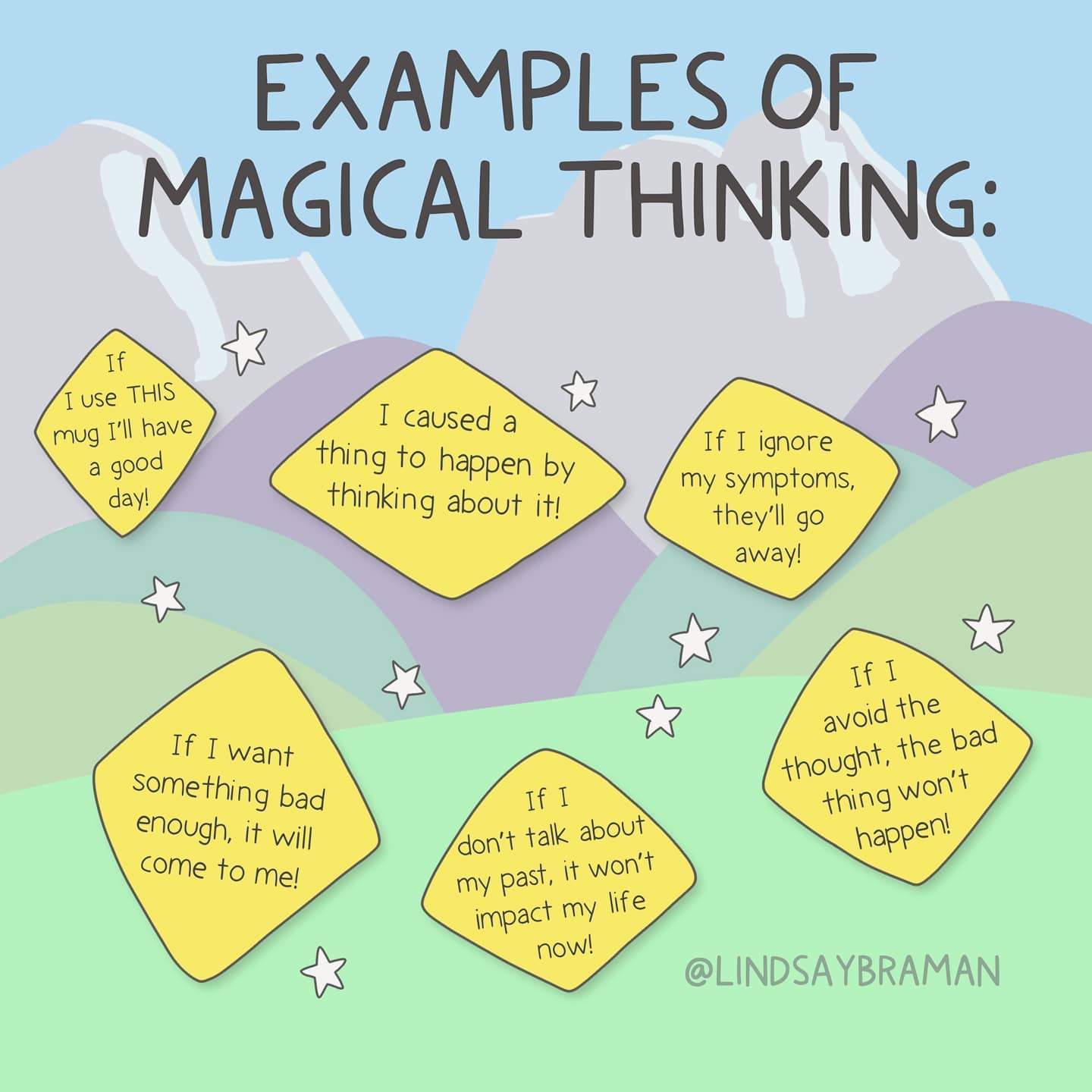
Many people also experience magical thinking, the feeling that a particular thought could cause something terrible to happen or that a specific ritual prevents disaster. Magical thinking is common in several forms of OCD and can blend easily with religious or moral concerns.
Scrupulosity is not a reflection of weak faith, poor morality or a lack of discipline. It is a pattern in the brain where the alarm system misfires, generates uncertainty and demands reassurance.
How scrupulosity forms in OCD and why it feels so powerful
It helps to picture the brain as constantly scanning for errors. OCD involves a heightened threat detection loop between areas that process emotion, evaluate mistakes and regulate behaviour. When this loop overfires, uncertainty feels unbearable. The mind demands certainty that you have not sinned, lied, offended, harmed or thought something unacceptable.
In scrupulosity, the content of these fears often mirrors your deepest values. That is why the distress feels so personal. The brain applies fear-based logic to your most important beliefs.
Several influences can increase this sensitivity:
• Biological factors such as differences in serotonin pathways or inherited patterns of anxiety.
• Neurodivergence, including ADHD and autism profiles, where cognitive rigidity or intense focus can strengthen obsessive loops.
• Trauma or chronic stress, which keep the threat system active.
• Chronic inflammation linked with gut problems such as IBS, reflux, SIBO or H. pylori, which can heighten alarm signals.
• Autoimmune activity such as coeliac disease or Hashimoto’s, which can influence mood, energy and cognitive steadiness.
• Social and cultural environments where certain behaviours are expected or where fear based narratives are common.
• Magical thinking, which gives thoughts an exaggerated sense of power or danger.
When the alarm system activates, the mind urges action. These actions are compulsions. Compulsions briefly reduce anxiety but strengthen the cycle over time. This is why scrupulosity does not ease with reassurance.
Signs and symptoms
People describe a mix of intrusive thoughts, compulsive actions and avoidance. The specific content always reflects personal beliefs, culture and upbringing. This is why scrupulosity looks different for people from different traditions, or for those without religious beliefs but with strong moral codes.
Common intrusive fears
• Fear of divine punishment
• Fear of immoral thoughts
• Worry that sexual thoughts are sinful
• Fear of unknowingly committing an offence
• Constant monitoring of whether you feel pure, moral or faithful
• Belief that thinking something bad could cause real harm (magical thinking)
• A sense of overwhelming guilt even when no action occurred
Common compulsions
• Repeating prayers until they feel perfect
• Writing prayers to ensure exactness
• Excessive confession
• Seeking reassurance from clergy, family or friends
• Re reading religious texts to confirm you have not misinterpreted something
• Mentally cancelling thoughts with other thoughts
• Creating internal rules to manage fear
• Viewing every religious practice as a mandatory obligation
• Pushing yourself into self sacrifice beyond what is reasonable
Common avoidance
• Avoiding religious gatherings due to fear of making mistakes
• Avoiding situations requiring moral decisions
• Withdrawing socially to minimise perceived risk
• Steering clear of reading or hearing material that triggers fear
These patterns become concerning when they disturb daily living, relationships, work, sleep or your ability to feel present in your life.


Scrupulosity, the gut brain axis and the stress response
Many people in my clinics across Ireland report digestive symptoms alongside their anxiety. The gut brain axis refers to the communication between the digestive system and the brain. When the gut is unsettled, inflammation can rise and the threat system can become more reactive. This can increase intrusive thoughts, obsessive patterns and urgency. Addressing nutrition, gut health and related autoimmune drivers often supports broader emotional steadiness.
Magical thinking and moral anxiety
Magical thinking can give thoughts extraordinary weight. You may feel that having a thought is morally equivalent to acting on it or that your private thoughts have power in the world. This can create a painful mix of shame and hyper responsibility. It is important to remember that magical thinking is a symptom, not a character flaw.
Diagnosis and treatment
A trained mental health professional uses a clinical interview and structured questionnaires such as the Penn Inventory of Scrupulosity or Scrupulosity Inventory. These tools are not designed for self diagnosis but help clarify patterns.
Treatment usually includes:
• Cognitive behavioural therapy to understand distorted interpretations.
• Specialist behavioural approaches that help reduce compulsions safely and gradually.
• Counselling and Psychotherapy to understand the emotional drivers, trauma links or internalised fears.
• RTT and Clinical Medical Hypnotherapy to ease fear based patterns, shift beliefs and support calmer responses.
• Hypnotherapy for OCD and anxiety to support nervous system regulation.
• Nutritional support for gut health, chronic inflammation, fatigue and metabolic stability.
• Relationship therapy when scrupulosity affects couples, intimacy or trust.
• Support for co occurring issues such as addictions, depression, ADHD, autism, chronic stress, chronic pain or sleep problems.
Therapy meets you where you are. Your beliefs are respected. The aim is not to change your values but to reduce fear so you can live by your values freely.
FAQs
Is scrupulosity the same as being very religious or moral?
No. The difference lies in distress, loss of control and impact on daily living. Scrupulosity feels intrusive and overwhelming, even when beliefs are meaningful to you.
Can non religious people have scrupulosity?
Yes. Moral scrupulosity focuses on ethics, rules, harm, justice or personal standards.
Is magical thinking always part of scrupulosity?
Many people experience it, but not everyone. Magical thinking simply increases the sense of threat and responsibility.
Does scrupulosity go away?
With the right support, symptoms usually improve significantly. Treatment focuses on reducing compulsions and calming the threat response.
Is medication needed?
Some people find medication helpful. Always speak with your GP or psychiatrist for medical advice.
Can scrupulosity affect relationships?
Yes. Partners often feel unsure how to respond to reassurance seeking or avoidance. Couples Counselling or Marriage Counselling can help both partners understand the cycle.
Is this my fault?
No. Scrupulosity is a conditioned anxiety loop. It says nothing about your character.
Educational Disclaimer
This information is for education and informative purposes only and is not ever a substitute for personalised medical or mental health advice. Always speak with your GP, psychiatrist or therapist about your individual situation.
Call to Action
You deserve relief from fear, guilt and mental exhaustion. If these patterns are affecting your daily life, you can begin to feel steadier with the right help.
Book a consultation to explore safe, effective support for scrupulosity, anxiety, OCD patterns and magical thinking.
Book a Consultation Now
ONLINE appointments available
In person: Adare, Newcastle West, Limerick, Abbeyfeale, Charleville, Midleton, Youghal, Cork, Dublin, Dungarven
References
- https://pubmed.ncbi.nlm.nih.gov/16892410
- https://pubmed.ncbi.nlm.nih.gov/26151789
- https://pubmed.ncbi.nlm.nih.gov/23281678
- https://www.psychiatry.org/psychiatrists/practice/dsm
- https://pubmed.ncbi.nlm.nih.gov/18085663
- https://pubmed.ncbi.nlm.nih.gov/11590337
- https://pubmed.ncbi.nlm.nih.gov/22032585
- https://pubmed.ncbi.nlm.nih.gov/22401451
- https://pubmed.ncbi.nlm.nih.gov/26618741
- https://pubmed.ncbi.nlm.nih.gov/29570317
- https://pubmed.ncbi.nlm.nih.gov/17607540
- https://pubmed.ncbi.nlm.nih.gov/28143615
- https://pubmed.ncbi.nlm.nih.gov/34635944
- https://pubmed.ncbi.nlm.nih.gov/24972508
- https://pubmed.ncbi.nlm.nih.gov/29252136
- https://pubmed.ncbi.nlm.nih.gov/26807239
- https://pubmed.ncbi.nlm.nih.gov/23281678
- https://pubmed.ncbi.nlm.nih.gov/19562574
- https://pubmed.ncbi.nlm.nih.gov/33255938
- https://pubmed.ncbi.nlm.nih.gov/31701753
- https://pubmed.ncbi.nlm.nih.gov/30047312
- https://pubmed.ncbi.nlm.nih.gov/30159558
- https://pubmed.ncbi.nlm.nih.gov/30403648
- https://pubmed.ncbi.nlm.nih.gov/25728084
- https://pubmed.ncbi.nlm.nih.gov/34243038